By William S. Smith, Esq. (774) 317-9287 http://www.attorneysmithlaw.com
For years, Massachusetts has justified denying, suspending, and revoking firearms licenses under the Commonwealth’s “unsuitability” standard. But buried within recent case law is a statement that raises an important and troubling question: Has the Supreme Judicial Court effectively rewritten the statute? How can this be given they themselves have reiterated repeatedly the bedrock principle that the courts are powerless to do so?
In Commonwealth v. Marquis (2025) the Court stated:
“To the extent that the Commonwealth restricts the ability of law-abiding citizens to carry firearms within its borders, the justification for so doing is credible, individualized evidence that the person in question would pose a danger if armed. Both case law and the historical record unequivocally indicate that this justification is consistent with ‘the Nation’s historical tradition of firearm regulation.’”
At first glance, that language may seem unremarkable. Upon closer examination, however, it differs dramatically from the actual statutory language enacted by the Legislature.
General Laws c. 140, § 121F (formerly 131) defines an “unsuitable” person as someone who “may pose a risk to public safety.” Those are very different words.
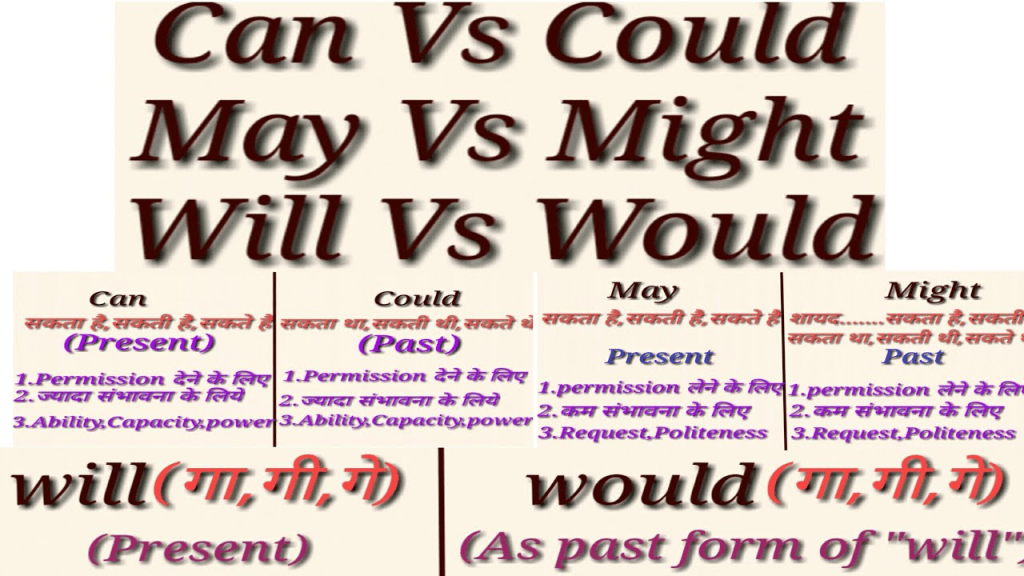
A finding that someone may pose a public safety risk is inherently speculative. Virtually anyone may do something in the future. By contrast, saying a person would pose a danger if armed requires a much stronger showing. “Would” implies probability, not mere possibility. It demands credible, individualized evidence demonstrating that dangerous conduct is actually likely—not simply conceivable.
That distinction is not semantic; it is of the utmost distinction in terms of the constitutional issues involved.
After N.Y. State Rifle & Pistol Ass’n v. Bruen and subsequent Second Amendment decisions, restrictions on the right to keep and bear arms must be narrowly tied to historically recognized limits. A standard requiring proof that a person would be dangerous is far more consistent with the historical tradition of disarming genuinely dangerous individuals than one allowing government action whenever someone merely may present a risk.
But this raises an intriguing question.
If the Supreme Judicial Court truly believes that the constitutional standard is whether an individual would pose a danger if armed, why doesn’t the statute say that?
The Legislature certainly did not use the word “would.” It deliberately enacted a statute employing the much broader phrase “may pose a public safety risk.” Courts are not free to replace statutory language with words they believe would produce a better or more constitutional result.
Massachusetts appellate decisions have repeatedly emphasized that courts must interpret statutes as written—not rewrite them. The Supreme Judicial Court has long held that courts do not read into a statute a provision which the Legislature did not see fit to put there, and that judges may not add words that the Legislature had an option to include but did not. Likewise, the Court has consistently explained that where statutory language is clear, courts must apply its plain meaning rather than substitute different language based upon policy preferences or perceived legislative intent.
These principles reflect a fundamental separation-of-powers doctrine. The Legislature writes statutes. Courts interpret them. They do not amend them.
That is precisely why the Marquis language is so noteworthy.
Perhaps the Court recognizes the constitutional difficulty with allowing fundamental constitutional rights to depend upon speculation that someone may become dangerous at some undefined point in the future. Perhaps the Court understands that Bruen permits disarming genuinely dangerous persons—not people who simply fit a broad discretionary category.
If so, the Court’s choice of words may reveal an implicit recognition that the statutory language itself presents a constitutional problem.
If the Constitution permits restrictions only where credible, individualized evidence establishes that a person would pose a danger if armed, can a statute authorizing disarmament because someone merely may pose a public safety risk survive constitutional scrutiny?
That question lies at the heart of Massachusetts’ gun licensing system.
One thing, however, is clear. If the governing legal standard truly is “would pose a danger,” then that standard can only come from the Legislature—not from judicial revision of statutory text. And if the statutory language remains “may pose a public safety risk,” which to this day it does, courts should confront its constitutionality directly rather than quietly replacing one word with another, in the opinion of this author.
Sometimes a single word makes all the difference, after all.
Here, the difference between may and would could determine whether a fundamental constitutional right depends upon evidence of actual dangerousness—or mere speculation. We shall see what, if anything, the Massachusetts Supreme Judicial Court says about this in my Pratt v. Westbrook case.

 MA GUN LAWYER
Leave a comment